Welcome to Sheridan Memorial Hospital
1401 West 5th St. Sheridan, WY — 307.672.1000

News and Community

The Sheridan Memorial Hospital (SMH) Foundation
Heart disease remains the leading cause of death in the United States, and heart attacks—also known as myocardial infarctions — are one of its most
The Sheridan Memorial Hospital (SMH) Foundation
At Sheridan Memorial Hospital, caring for patients goes beyond clinical excellence—it’s about
Heart disease remains the leading cause of death in the United States, and heart attacks—also known as myocardial infarctions — are one of its most
For her 99th birthday, Sheridan Green House resident Vera Montgomery had just one wish: to ride a horse again. Born in Sheridan in 1926, Vera grew
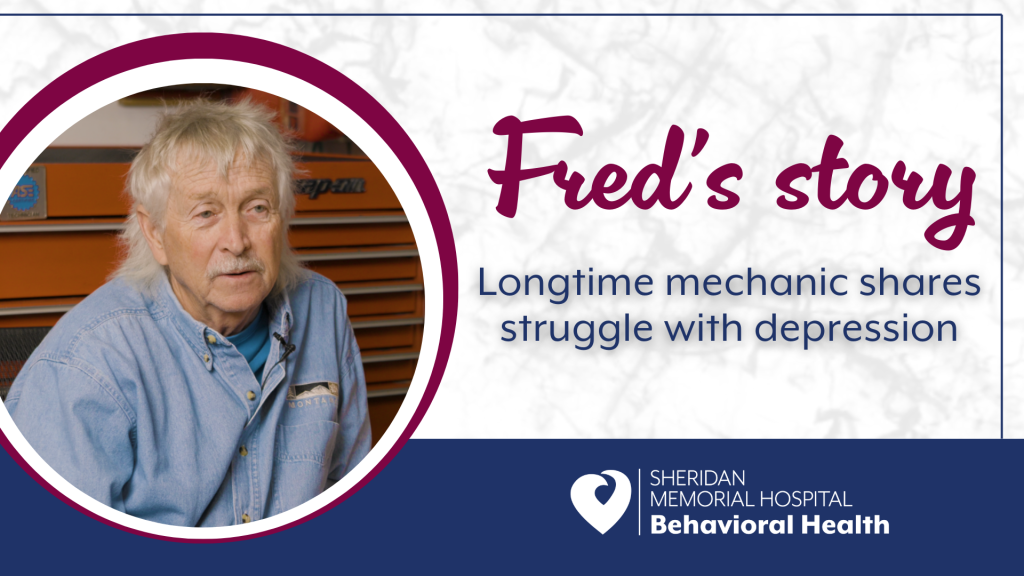
Sheridan Memorial Hospital is making remarkable strides in addressing Wyoming’s critical mental
SHERIDAN – Sheridan Memorial Hospital has begun working with Revco Solutions, a trusted third-party
Ask anyone who knows him, and they’ll tell you: Cutter Hulet doesn’t just show up—he gives it everything he has. He plays cello for both the
While perimenopause and menopause are natural processes unique to each individual, many women
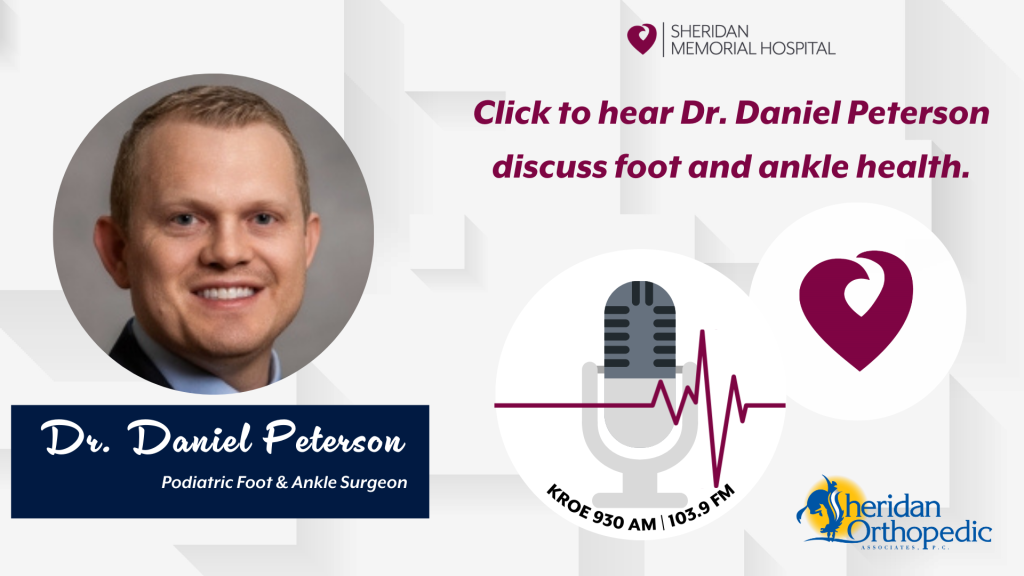
After years of chronic ankle pain, Judy Merriott, DVM, reached a point where everyday tasks—and even walking—became unbearable. Working as an

Sheridan Memorial Hospital recently welcomed anesthesiologist Dr. Andrew Ferris and emergency medicine physician Dr. Kelsey Ferris, to the hospital and community.

For Dr. Andrew Ferris, a Sheridan native, returning home is both personal and professional.

“Sheridan Memorial Hospital is demonstrative of our community’s goals to always build something bigger and better,” he said. “It’s nothing like corporatized medicine because you get a sense that everyone has skin in the game. You’re not just another turning gear in a machine.”

Before medicine, Dr. Andrew Ferris worked as an officer in the U.S. Air Force, an experience he believes complements his medical career.

“Medicine is like engineering for the body in the sense that you’re studying the systems of a system and how they work together,” he said, adding that he is excited to give back to the community that supported him in his youth.

Dr. Andrew Ferris returns to Sheridan after he and his wife, Dr. Kelsey Ferris, spent the past four years completing their medical residencies at Yale University in New Haven, Connecticut.

Dr. Kelsey Ferris joins the SMH team as an emergency medicine physician.

Originally from Utah, Dr. Kelsey Ferris discovered her love for medicine through her passion for movement and martial arts, while her draw to emergency medicine centered on the challenge of problem-solving in critical moments.

“My favorite part of emergency medicine is ‘cracking the code,’” she said. “Somebody comes in with a problem and you have to put all the little pieces together to figure out what’s happening and how to make them better.”

Both physicians look forward to serving the people of Sheridan and surrounding communities.

“The people here are so kind. They care about each other,” said Dr. Kelsey Ferris. “That’s what makes us thrive as a society and as people — to give back and to have neighbors that you care about.”

Both physicians chose Sheridan Memorial Hospital because of its strong commitment to patient-centered care.

“We became doctors because we want to care for people,” said Dr. Kelsey Ferris. “Billing, coding, paperwork — all that can come later. We’re all really here for the people. We chose Sheridan Memorial Hospital because it puts patients first.”

Outside of medicine, the couple enjoys spending time outdoors with their two young sons. AJ enjoys reading and exploring the outdoors, while Kelsey loves Tae Kwon Do, ping-pong, birdwatching, hiking and climbing.

Please join us in welcoming Dr. Andrew Ferris and Dr. Kelsey Ferris to Sheridan Memorial Hospital and to our community. We are excited for the care, dedication, and compassion they bring to our patients and families.

Sheridan Memorial Hospital recently welcomed Dr. Lisa Mullen, a board-certified family medicine physician, to its Primary Care team. A fourth-generation Wyomingite, Dr. Mullen brings a deep connection to the state and a passion for providing compassionate, full-spectrum care to patients of all ages.

Dr. Mullen grew up in Newcastle, Wyoming, and always knew she wanted to become a physician. Influenced by a dedicated family doctor who cared for her father during a major medical diagnosis, she developed an early respect for the physician-patient relationship. After earning her bachelor’s degree in health sciences from the University of Wyoming, she attended medical school through the WWAMI program at the University of Washington and went on to complete her residency at the Family Medicine Residency of Idaho in Boise, Idaho.

Following residency, Dr. Mullen returned to Wyoming, where she has spent the past 11 years caring for patients in Buffalo as a family medicine physician.

“I enjoy getting to know my patients and developing relationships with them and their families across the lifespan,” she said. “Family medicine gives me the opportunity to care for newborns, parents and grandparents alike, which not only strengthens our connection but also helps me provide better care to each individual.”

While she enjoys the variety that family medicine provides, Dr. Mullen particularly loves working with women’s health and pediatric patients. She looks forward to continuing this focus while also caring for entire families here in Sheridan.

Above all, Dr. Mullen values the privilege of being part of her patients’ lives.

“To have patients put their trust in me is beyond rewarding,” she said. “It’s truly a pleasure to care for multiple generations within the same family and help them live their lives to the fullest.”

Having lived and worked just south of Sheridan for more than a decade, Dr. Mullen appreciates all the area communities have to offer.

“You really can’t beat the Bighorns,” she said. “We’re lucky to live and work where we do, and I’m excited to join a great group of physicians to provide wonderful care to this area of Wyoming.”

Outside the clinic, Dr. Mullen enjoys reading on her deck while soaking in Wyoming sunsets, baking, traveling, solving puzzles and spending time with her husband and two daughters. The family shares their home with two dogs and a couple of barn cats.

When Megan Crocker and her husband, Jeff, moved to Sheridan in 2019, Megan quickly established care at Sheridan Memorial Hospital’s Women’s Clinic. She had been struggling with painful menstrual cycles, unexplained weight gain and other frustrating symptoms.

Unlike past experiences where she was told to simply “diet and exercise,” the Women’s Clinic team listened carefully and worked with Crocker to uncover the true cause: polycystic ovary syndrome (PCOS).

“The providers at the Women’s Clinic were the first to actually listen to me and help diagnose my PCOS,” Megan Crocker said. “Once we decided we were ready to have kids, I tried for over a year with no success.”

Navigating infertility and loss

PCOS made conceiving difficult because Crocker did not have a regular cycle, making ovulation rare and very hard to track. For a months, the Women’s Clinic providers had Crocker try a variety of options to help with ovulation.

“The team always explained the options and helped me know what to expect,” Crocker said. “I am a very plan-oriented person so knowing they had a plan helped me feel comfortable. Getting pregnant with PCOS is a gamble – some get pregnant really easily and some, like me, it just takes time.”

After more than a year of trying, Crocker finally became pregnant — only to experience a heartbreaking miscarriage.

“In that instant my hopes and dreams were shattered,” Crocker said. “The team prepped me for what to expect physically but also made sure to check in on my mental health. They encouraged me to seek counseling, which was one of the most impactful decisions I made for my healing.”

With compassionate care, ongoing support and a clear plan, Crocker found the strength to keep moving forward.

Welcoming Cade

In January 2022, Crocker learned she was pregnant again. The pregnancy itself went smoothly, though anxiety about miscarriage remained a constant challenge.

“The Women’s Clinic team was amazing,” Crocker said. “They would answer any questions I had or when I called with concerns, they would listen. Preparing to be a first-time parent is overwhelming but they ensured we felt prepared.”

Outside the anxiety Crocker felt around another potential miscarriage, this pregnancy progressed without complications.

But at 36 weeks, the baby’s arrival was dramatic. Crocker arrived at the hospital already 8 centimeters dilated, with the baby in breech position. Within 45 minutes, the Sheridan Memorial Hospital team had her in surgery for an emergency C-section.

“I remember having five nurses rapidly working around us to prep me for surgery,” Crocker said. “Even though it was a whirlwind, the team explained everything and kept us calm. We knew we were in good hands.”

After delivery, the Crockers’ son, Cade, faced some health struggles, including unstable glucose levels, but physicians and nurses worked closely to stabilize him, while also supporting Crocker in her postpartum recovery.

Every pregnancy is different

Two years later, the Crockers felt ready to grow their family again. This time, conception was nearly effortless compared to the first journey.

Pregnancy with their daughter, Colbi, brought new challenges, though, including nausea in the first trimester and gestational diabetes. With education, support and close monitoring, Crocker made it through the first trimester and rebounded for the remainder of the pregnancy.

“My biggest concern was whether I would know I was in labor,” Crocker recalled. “With Cade, I had no idea I was in labor and that put us both at risk. I was incredibly stressed that would happen again, but the Women’s Clinic staff and Women’s Health team were incredible with this concern.

“Whenever I thought I was possibly in labor they would either see me in office or in the unit for observation,” Crocker said. “They always said it is not a hassle at all and is always better to be safe. Each time I left the Women’s Health unit I felt confident and at ease Colbi and I were OK.”

While the pregnancy with Cade was easy, his birth was dramatic. For Colbi, the opposite was true. A harder pregnancy challenged Crocker, but the delivery went smoothly.

And, following this scheduled C-section, Crocker was able to stay with her new baby girl and her husband post-surgery, while with her first child — she stayed in recovery with her son while her husband waited in another room. Staying together as a family meant Crocker had her husband by her side the entire time.

Postpartum care

Following the birth of the Crockers’ first child, the Women’s Health team at Sheridan Memorial Hospital ensured Crocker’s pain was managed and helped the couple learn what to expect as new parents.

“You learn so much the first handful of days you have a baby,” Crocker said. “They helped with learning to breastfeed, bathe a baby and even teach you to swaddle, which they all make look so easy. Having nurses you can rely on during these big life changes is key to having an amazing experience.”

Following the birth of the Crockers’ second child in 2025, the Women’s Health team was similarly attentive, but also provided the family with space as needed.

In addition, after her second C-section, an occupational therapist met with Crocker in the hospital to help provide care. They provided tips regarding the best ways to get in and out of bed, support for when the family returned home and more.

“This wasn’t something that was offered after my first child, and it was incredibly helpful, and therefore I had a more successful recovery,” Crocker said.

Gratitude and Trust

Today, Cade — now 2 years old — adores his little sister, Colbi, and the family is thriving. Reflecting on their journey, Crocker credits the Women’s Clinic and Women’s Health teams at Sheridan Memorial Hospital for their expertise, compassion and unwavering support.

“We honestly would not have had our second baby at Sheridan Memorial Hospital if we didn’t trust these teams. They listened, reassured and celebrated every milestone with us,” Crocker said. “Pregnancy is both terrifying and exciting, and having such a well-trained, compassionate team made all the difference.”

Sheridan Memorial Hospital recently celebrated significant progress in expanding behavioral health services to the community. In just nine months since launching its Behavioral Health program, the team has already made a measurable impact and is preparing to grow even further with the construction of a new facility.

Since November 2024, the Behavioral Health team has served more than 300 patients in its outpatient clinic. The program has also contributed to a 17% decrease in Title 25 involuntary holds between October 2024 and March 2025, compared to the six months prior. By fostering strong collaborations across hospital departments and with local therapists, the program has ensured patients receive compassionate, coordinated care close to home.

Looking ahead, Sheridan Memorial Hospital is investing in the future of behavioral health care with a new, state-of-the-art facility. The building will feature three levels of care: outpatient services, a crisis stabilization area and six inpatient beds. This model allows patients to access the most appropriate level of care while remaining in their own community whenever possible.

To celebrate this next chapter, SMH hosted a groundbreaking ceremony Aug. 8. The event honored the major donors who have made this project possible and marked an important step toward expanding access to behavioral health resources for Sheridan County, Johnson County and the surrounding region.

Attendees at the event included Gov. Mark Gordon, Secretary of State Chuck Gray, local legislators, county commissioners, mayors and donors, all of whom have helped make this project possible.

Construction of the new Behavioral Health facility is underway, with completion and opening expected in 2026.

For more information about Sheridan Memorial Hospital’s Behavioral Health services or the new facility, please see sheridanhospital.org/medical-services/clinics/behavioral-health.

To learn more about the Growing for You Campaign or get involved in supporting behavioral health see sheridanhospital.org/foundation/growing-for-you.

Shelley Meier, BSN, RN, CWOCN, is a nurse in the Sheridan Memorial Hospital Wound Care Clinic.

Our skin does a lot of heavy lifting. It protects us from infection, helps regulate temperature and acts as the body’s first line of defense against the world around us. But like the rest of our body, skin changes with age. It becomes thinner, less elastic and often drier. These changes make older adults more vulnerable to wounds, infections and a condition that can have serious health consequences: pressure ulcers.

Pressure ulcers develop when constant pressure reduces blood flow to the skin and underlying tissues. This lack of circulation can damage the skin, leading to painful sores that range from mild redness to deep wounds. The most common places they appear are over bony areas — such as heels, hips, tailbone and elbows.

Prevention is key

The single most important factor in managing pressure ulcers is prevention. Small, daily habits can make all the difference and actions like regular repositioning, skin care and nutrition play a role.

Caring for existing ulcers

Caring for a pressure ulcer requires both local wound management and attention to overall health.

• Relieve pressure: Healing cannot occur if pressure continues on the sore. Use pillows, foam wedges or specialized cushions to keep weight off the affected area. Frequent repositioning — at least every two hours in bed — is vital.

• Clean the wound: Gentle cleansing is the foundation of care. Most ulcers can be cleaned with saline or mild wound cleansers. Harsh antiseptics like hydrogen peroxide or iodine should be avoided unless directed by a healthcare provider, as they can damage healthy tissue.

• Dressings: A clean, moist environment encourages faster healing. Dressings vary depending on the ulcer’s depth and drainage. A nurse or wound specialist can recommend the right choice and help set a schedule for changing them.

• Infection control: Signs of infection include increased redness, swelling, warmth, pus or foul odor. Fever can also be a warning. If infection is suspected, contact a healthcare provider immediately — oral or topical antibiotics may be needed.

• Pain management: Pressure ulcers can be painful, especially during dressing changes. Over-the-counter pain relievers, prescribed medications or topical anesthetics may help improve comfort and tolerance of care.

Support healing from within

The body needs extra support when fighting a wound. Adequate protein, vitamins and hydration strengthen the skin and immune system. For older adults with poor appetite, supplements or dietitian guidance may be beneficial. Good diabetes control and circulation health are also crucial factors.

While prevention is key, if a pressure ulcer does develop, consulting a wound care expert can help ensure a steady path to healing.

To learn more about the Sheridan Memorial Hospital Wound Care Clinic and how we can help you care for and prevent wounds, see sheridanhospital.org/medical-services/wound-care/.

By Kelly Lieb, DMSc, PA-C, the director of patient experience at Sheridan Memorial Hospital and a physician assistant at Northeast Wyoming Pediatric Associates.

In contemporary healthcare, achieving truly patient-centered care means engaging more than just clinical expertise — it requires the voices of patients and their families. Patient and family advisory councils (PFACs) serve precisely that role, bringing together patients, caregivers and providers to collaboratively shape healthcare in meaningful ways.

PFACs typically consist of current and former patients, family members and caregivers working alongside hospital staff to guide improvements in care delivery, safety, policy and patient experience. These councils represent a shift from traditional, top-down decision-making toward a partnership model rooted in mutual respect and collaboration between medical staff and patients.

Patient experience

PFACs embed real patient perspectives directly into healthcare delivery — going beyond one-time surveys to offer nuanced, real-time insights and an ongoing, structured forum where lived experiences can shape how healthcare is delivered.

Quality, safety, trust

By bringing issues to light, PFAC members help identify gaps and opportunities for better quality and safety of healthcare. Also, by fostering a collaborative environment that builds trust between patients, families and providers, PFACs strengthen the clinician-patient relationship.

Systemic change

PFACs have evolved from feedback panels to partners — bringing forward perspectives that help shape projects from their inception. This reflects a broader shift in healthcare toward patient empowerment and puts into place additional accountability mechanisms promoting safer, more responsive care.

By involving patients and families as genuine partners, healthcare organizations can elevate trust, uncover blind spots, foster innovation and build systems that prioritize what matters to those they serve.

In small communities like Sheridan, healthcare providers are used to receiving honest, real-time feedback from their patients and many incorporate that feedback into their daily work. PFACs take the feedback one step further, into a formal setting that ensures it is considered by the entire healthcare system.

As Sheridan Memorial Hospital continues to grow, its staff has always valued the shared mission of providing excellent, patient-centered care to the community. As we create our own patient and family advisory council, we look forward to learning more about community needs and exploring how to best serve our friends, families and neighbors.

The Sheridan Memorial Hospital Foundation is proud to announce the recipients of this year’s Clinical and Nursing Scholarships, awarded to 30 individual staff representing 16 different service lines and departments throughout the hospital. The awards underscore the diverse talents and aspirations of SMH’s dedicated healthcare professionals.

Scholarships were granted for a variety of educational pursuits — from certifications and conferences to associate, bachelor’s and master’s degrees in nursing and healthcare fields. The large number of applications and recipients this year highlights our staff’s deep commitment to continuous learning and providing excellent, compassionate care. The Annual Cato Scholar Award recipient this year was Gretchen Doenz.

The SMH Foundation has been awarding scholarships since 2001, under the leadership of Director of Donor Relations Ada Kirven, who has helped shape the program since its inception. Each year, the Foundation collaborates with hospital leadership and Foundation committee members to ensure that scholarship funds support high-quality clinical training — ultimately benefiting patients and families in Sheridan and the surrounding region.

At this year’s Foundation annual meeting, Kirven expressed gratitude to the donors and volunteers who make these scholarships possible.

“We are thrilled to support our staff as they expand their knowledge and grow in a constantly changing healthcare industry,” Kirven said. “Sheridan Memorial Hospital’s caring staff is our greatest asset. These opportunities not only help recipients grow as individuals, but also strengthen our teams and entire organization. This investment in our people drives our mission forward — delivering excellent, patient-centered care for all.”

Kirven also emphasized the difference it makes to live in generous community.

“The generosity of our donors allows us to make a meaningful difference in the lives of these healthcare professionals. With more than 100 donors contributing, many of these gifts are a direct reflection of the gratitude our community feels for the care they receive at SMH.”

The Foundation remains committed to advancing healthcare in our region through scholarships, grants and other initiatives.

To learn more about the Foundation’s mission or to make a gift of gratitude in honor of care received, visit sheridanhospital.org/foundation.

Sheridan Memorial Hospital’s Hospice will host a volunteer training in late September. Potential Hospice volunteers and other interested individuals may attend the training before deciding whether to become a volunteer. Volunteers have flexible hours and can participate in various ways, including helping in homes, in the Hospice office or at various activities throughout the year.

Hospice offers a team approach to end-of-life care for people who have been diagnosed as having six months or less to live and would like to die in the comfort of their own home. Families get to choose how much of the “team” they want after the initial visit. Hospice offers nursing services, CNAs, volunteers, psychosocial and emotional support and spiritual care coordination with one’s own faith family and also provides spiritual counsel with the Hospice chaplain.

One of the most important components of Hospice is education for the patient and their family.

“Learning about the normal changes and processes the body and mind go through can make this time less scary and stressful,” said Hospice Social Worker and Volunteer Coordinator, Cindy Baker.

Baker said Hospice volunteer training will cover many topics including body mechanics, how to safely transfer someone from bed to wheelchair and assisting someone with a walker. Volunteers learn about infection control, confidentiality, practicing active listening and maintaining healthy boundaries, stress management, the role of spirituality in hospice and different aspects of bereavement. Baker also added that the training serves as a screening time for both the volunteer and the Hospice team to find out if Hospice is a good fit for them.

According to Baker, “Most importantly, we learn the difference between serving versus rescuing — how to empower the caregivers and the person dying instead of taking over. Each of us will have our own death journey and most of us will accompany someone on that journey. Being fully present with someone else’s pain, sorrow, goodbyes, grouchiness, fear, anger, humor and vulnerability takes self-awareness.”

She added that it includes not acting on the desire to fix or to change and not taking things personally.

“We learn it’s not about us. As a hospice team, we stand witness to a family’s hard times, but also their incredible love stories.  Again and again I see people being willing to love and care for someone in the face of life being hard.”

This year marks Baker’s 29th year at Hospice as volunteer coordinator. Before that, she volunteered and served on the board with Sheridan County Hospice for 6 years. Her love for hospice work grows each year. Hospice families have taught her many things, but mostly about the depth, strength and resilience of the human spirit, how to be comfortable with the uncomfortable and to not assume that she knows how to do something better than a person who has loved another for a long time.

Those interested in learning more about Hospice or who want to participate in the volunteer training should contact Cindy Baker at Sheridan Memorial Hospital’s Hospice at 307.672.1083.

At Sheridan Memorial Hospital, caring for patients goes beyond clinical excellence—it’s about connection, compassion, and continuous improvement. In a recent conversation with host Floyd Whiting on Sheridan Media’s Public Pulse, two dedicated healthcare professionals—Kelly Lieb, DMSc, PA-C, Director of Patient Experience, and Toni Schoonover, BSN, RN, Trauma Coordinator—shared their journeys into healthcare and how their roles shape the patient and community experience every day.

Both Kelly and Toni emphasized the deeply personal paths that led them into medicine. For Toni, it began in childhood. “When I was in eighth grade, my mom got really sick, and I helped care for her. Ever since then, I’ve had a passion for caring for others.” That early experience has since evolved into a role focused on trauma education, emergency care coordination, and injury prevention through community outreach.

Kelly’s story also reflects a lifelong commitment to both science and people. Today, she balances patient care with her leadership in enhancing the patient experience. “We aim to create a five-star experience that patients remember as feeling cared for,” she shared. Her role includes spearheading initiatives like the hospital’s upcoming Patient and Family Advisory Council— “The Voice”— Voicing opportunities for improvement, collaboration and engagement a new opportunity— for patients and families to help shape care delivery through direct partnership and feedback.

The conversation highlighted the collaborative nature of healthcare at Sheridan Memorial. From bedside interventions to systemic improvements, both speakers stressed the importance of teamwork across disciplines, whether it’s between nurses and physician assistants or through cross-functional efforts to engage the community.

Sheridan Memorial Hospital’s outreach extends far beyond its walls, thanks to programs like Third Thursday, where Toni and her team offer hands-on injury prevention education supported by the Sheridan Memorial Hospital Foundation. These efforts demonstrate the hospital’s commitment to proactive health and safety—a mission rooted in community connection and wellness.

Whether responding in the ED or shaping policy behind the scenes, Kelly and Toni embody Sheridan Memorial Hospital’s vision: to serve our community with excellent patient-centered care.

🎧 Listen to Kelly Lieb and Toni Schoonover’s full interview on Public Pulse by clicking below.

The Sheridan Memorial Hospital (SMH) Foundation is honored to share that the $45,000 O’Dell Match has been unlocked, thanks to the remarkable generosity of our community.

The match was set in motion mid-May when O’Dell Construction stepped forward with a visionary $25,000 gift to inspire others to invest in the Growing for You – Behavioral Health & Emergency Medicine Campaign. This campaign is bringing vital improvements and expanded access to mental health care and emergency services for patients and families across our region.

Motivated by the leadership and commitment of O’Dell Construction’s leadership, and their children Rebecca and Will O’Dell, Shawn and Lisa O’Dell strengthened the momentum by adding a personal contribution of $20,000. Together, their combined efforts created the $45,000 O’Dell Match Challenge, a call to action that resonated deeply with donors across Sheridan County and beyond.

Over the following 45 days, 48 generous contributions came together to meet, and ultimately surpass, this goal. From first-time donors to longtime supporters of rural healthcare, each gift demonstrates the shared spirit that defines Wyoming: we help one another whether we are minutes or miles apart. In our community, everyone matters. Everyone is valued and deserves excellent patient-centered care.

On June 30, 2025, the match was officially unlocked with a final contribution from the William F. & Lorene W. Welch Foundation, securing critical funding to ensure mental health care and emergency services remain strong, accessible and that people know they have a place to go when they need it most.

The Sheridan Memorial Hospital Foundation extends heartfelt appreciation to O’Dell Construction and the O’Dell family for their extraordinary leadership. By sharing their passion personally and professionally for medical excellence right here at home, they inspired a wave of support that will touch countless lives for years to come.

“Thank you to everyone who helped make this achievement possible. This match is yet another example of why Sheridan Memorial Hospital is proud to serve a community so deeply committed to supporting one another,” shared Chief Development Officer Cody Sinclair. “The Foundation is excited to continue the momentum toward the successful completion of the Growing for You Campaign and the opening of the new Behavioral Health Unit in late 2026.”

To be a supporter of mental healthcare right here at home and letting patients and families know you support their health and healing – donate and learn more at www.sheridanhospital.org/growing-for-you/ or reach out to The Foundation Team at 307.673.2418.

By Yvette Romero, MSN, RN, a cardiac catheterization lab and interventional radiology nurse at Sheridan Memorial Hospital.

Heart disease remains the leading cause of death in the United States, and heart attacks—also known as myocardial infarctions — are one of its most urgent and life-threatening manifestations. Every 40 seconds, someone in the U.S. suffers a heart attack.

For rural communities like ours, immediate access to high-quality heart care can make the difference between life and death. That’s why the presence of a cardiac care team and a catheterization (cath) lab at our local hospital is a critical resource we should all be aware of and take pride in.

A heart attack occurs when blood flow to part of the heart muscle becomes blocked, often caused by a buildup of plaque in the coronary arteries. When the heart muscle is starved of oxygen-rich blood, it can begin to die within minutes. Prompt medical attention is essential to reduce the damage and improve survival rates.

Time is muscle

Don’t wait to get help if you have any warning signs of a heart attack. Some heart attacks are sudden and intense while others begin with mild pain or discomfort. You know your body best; read its clues and call 911 if you have:

Chest discomfort

Most people having a heart attack feel discomfort in the center of the chest that can last more than a few minutes or go away and then return. It can feel like pressure, squeezing, fullness or pain.

Discomfort in other areas of the upper body

Symptoms of a heart attack can also include pain or discomfort in the arms, back, neck, jaw or stomach. Other potential signs include breaking out in a cold sweat, nausea, rapid or irregular heartbeat and feeling unusually tired or light headed.

Having a cath lab in your community equipped to perform diagnostic and interventional procedures, such as cardiac catheterization and angioplasty, can make a big difference in how – or if – you recover from a heart attack. These procedures allow cardiologists to open blocked arteries, restore blood flow and prevent further heart damage without the need for major surgery.

Studies show that outcomes for heart attack patients are significantly better when treatment begins within 90 minutes of first medical contact.

Heart attack awareness is not just about recognizing symptoms — it also requires understanding the resources available and encouraging friends and family to seek timely care.

We are fortunate to have cardiac care right here in our own backyard. By staying informed and making use of these services, we can protect the health of our community for years to come.

Take your heart health seriously—schedule your annual wellness exam and follow your doctor’s guidance to manage risk factors like blood pressure, cholesterol, and lifestyle habits. And if you think you’re having symptoms of a heart attack, don’t wait—call 911 immediately. Quick action and local expert care can save your life.

Radiology careers sparked by shadowing experience at SMH

After completing a day of shadowing staff at Sheridan Memorial Hospital in November, Allison Arndt said her decision to apply for a radiology program solidified.

“I was fascinated by the machines and the way the technicians operated them,” Arndt said. “I had to learn more.”

As a result, Arndt started her educational journey to become a licensed radiologic technologist through Casper College.

Early interest leads to career pursuit

For Izak Aksamit, his interest in science and healthcare started at a young age. He always expressed interest in how the human body functions alongside a desire to help others. In May, Arndt began classes at Casper College to earn his associate degree and work toward becoming a radiologic technologist.

Internship sparks career path

Makayla Martinec completed an internship at Sheridan Memorial Hospital, spending time with the radiology team and learning that care teams have a deep impact not only in healthcare but in the community.

“One of the most thought about moments for me was when I was able to go into a surgery and see how the patient was treated putting all faith into the hands of a surgeon,” Martinec said. “This showed me that imaging is more important than I realized, which made me have a deeper understanding within the radiology department. It wasn’t just a single person helping this patient, but it was the whole healthcare team. This experience confirmed something I already knew: healthcare isn’t just about medicine — it’s about relationships, trust and community.”

Scholarships ease the path to success

Now, Aksamit, Arndt and Martinec will be able to pursue their educations with less financial burden. All received a $20,000 scholarship – $5,000 each semester for two years – from the Sheridan Memorial Hospital Foundation to complete their degrees.

“Being chosen for this scholarship means everything to me and reminds me that I have a strong support system as I embark on this new journey,” Arndt said. “I’m deeply passionate about this career path, and feel very lucky that I will be helping people every day. I couldn’t thank the Sheridan Memorial Hospital Foundation enough.”

Aksamit echoed the importance of the scholarship for him.

“Being chosen for the SMH Foundation radiology scholarship means a great deal to me — it’s not only a recognition of my hard work and dedication, but also brings powerful encouragement to continue pursuing excellence in patient care and medical imaging,” Aksamit said. “It reminds me that my goals are supported by a community that values the future of healthcare.”

Martinec noted that her long-term goal is to work in a rural hospital or clinic in Wyoming, perhaps even in Sheridan.

“I want to give back to the place that’s given me so much,” she said.

Meeting a growing community need

A shortage in radiologic technologists has grown over the last several years and the job outlook shows the demand continuing to increase.

“Radiologic technologists play a vital role in the patient’s healthcare journey,” said Bryan Opitz, SMH director of professional services. “They capture the diagnostic images that serve as the foundation for timely and accurate care decisions.”

Beyond the image: patient-centered care

Both Arndt and Aksamit noted the impact they hope to make for families and patients as radiologic technologists.

“As I am learning in my first week of the program (at Casper), there is so much more to being a radiology technologist than being a ‘picture taker,’” Arndt said.

Aksamit agreed, noting the role he could play in helping to diagnose and treat illnesses and injuries.

“The ability to use specialized equipment to see inside the human body without invasive procedures is both fascinating and invaluable,” Aksamit said. “I am especially intrigued by how radiologic technologists must combine an understanding of anatomy, physiology and physics with a compassionate, patient-centered approach – especially when working with individuals who may be anxious or in pain.”

Investing in the future of local healthcare

Sheridan Memorial Hospital Chief Development Officer Cody Sinclair celebrated the Foundation’s involvement with the scholarships.

“Scholarships from the SMH Foundation help grow Sheridan Memorial Hospital employees who are dedicated to the hospital’s mission to serve our community with excellent, patient-centered care,” Sinclair said. “Having highly trained staff at Sheridan Memorial Hospital ensures that our family, friends and neighbors get the excellent care they deserve right here at home.”

To support efforts like these and learn more about Sheridan Memorial Hospital Foundation efforts, visit sheridanhospital.org/foundation or visit with the team at 307.673.2418.

The Sheridan Memorial Hospital (SMH) Foundation recently hosted the Hole-In-One for Healthcare Golf Tournament at The Powder Horn Golf Course, marking another successful year of FUNdraising for SMH’s current area of greatest need. The beautiful weather and camaraderie among some of Sheridan’s most integral partners and supporters made for a truly memorable day for The Foundation’s 16th annual tournament.

Recognizing the heart behind the win

The event was a tremendous success, raising over $17,000 to support the Growing for You Campaign. This initiative is crucial in ensuring that behavioral health and emergency services are available to those who need them most, when they need it most. The funds raised will help expand these vital services, making a lasting difference in the community.

The winners of this year’s tournament were Bill Gatley, Justin Johnson, Bud Johnson, and Gary Roberts. The tournament was a celebration of community spirit, with attendees coming together to support our beautiful growing community, highlighted best by the stunning views of our Big Horn Mountains. It was a day filled with friendly competition and a shared purpose: to make a difference and ensure healthcare is available when you need it most, right here at home.

The SMH Foundation extends its gratitude to the major sponsors who continue to support medical excellence in our rural community by showing up, learning more and in sharing our mission to provide excellent patient-centered care. Their generosity and commitment are instrumental in making not only events like this possible, but supporting the growth and enhancements to your community hospital.

Our 2025 Major Golf Sponsors include: Platinum Sponsors – O’Dell Construction, First Federal Bank & Trust, First Interstate Bank, and the Ebzery Family Foundation and Gold Sponsors – D.A. Davidson, Intermountain Health, Powder River Heating & A/C, Range and Sheridan Community Federal Credit Union.

Making a significant difference

The Foundation’s Hole-In-One for Healthcare Tournament is more than just a golf event; it is a testament to the power of community and the importance of supporting local healthcare initiatives. With the help of our generous sponsors, dedicated volunteers and participants, the SMH Foundation is making significant strides in improving healthcare services for all. We look forward to another successful event next year and continue to thank everyone who made this year’s tournament a memorable and impactful occasion.

“We are incredibly fortunate to have such strong support from our community, and these funds will make a meaningful difference on enhancing local healthcare services,” said Cody Sinclair, Chief Development Officer at the SMH Foundation. “On behalf of our board and staff, I want to express our heartfelt gratitude to the sponsors, participants, and volunteers who made this event a tremendous success by helping us expand opportunities to deliver excellent, patient-centered care.”

To support efforts like these and learn more about Sheridan Memorial Hospital Foundation efforts, visit sheridanhospital.org/foundation or visit with the team at 307.673.2418.

For her 99th birthday, Sheridan Green House resident Vera Montgomery had just one wish: to ride a horse again.

Born in Sheridan in 1926, Vera grew up on a small farm outside of Sundance and has spent nearly a century in the saddle.

“I wasn’t born on a horse, but close to it,” Vera said. “I started riding when I was about 3 years old. I was probably sitting on the saddle horn in front of somebody, but I was riding.”

From riding 2.5 miles to school as a child to working cattle on a ranch in central Montana, horses have always been part of Vera’s life. For 14 years, she and her husband ran a 1,000-head cattle ranch along Currant Creek.

“I was a hired hand, I guess you could say,” Vera recalled. “People tried to put me down and say I was just a housewife, but I told them, ‘I am not a housewife. I am a rancher.’”

After her husband passed away, Vera sold the ranch and returned to Sheridan in 1984 to be closer to her mother. In January 2024, she moved into Sheridan Green House.

That ranching spirit never left her. So, when Sheridan Green House’s Activities Director Kim DeGraw asked what she wanted for her birthday, Vera didn’t ask for cake or decorations. She wanted to get back in the saddle.

Thanks to the generosity of local rancher and musician Dave Munsick, his wife Trudy and their horse Uno, Vera’s birthday wish came true.

Dave, Trudy and Uno arrived at Sheridan Green House on a bright June morning. With a little help from licensed practical nurse Kayla Larsen and certified nursing assistant Jennifer Broadwater, Vera climbed into Uno’s saddle. Smiling proudly, Vera Montgomery rode Uno around the block while Dave led the way and a crowd of supporters walked beside her.Dave, Trudy and Uno arrived at Sheridan Green House on a bright June morning. With a little help from licensed practical nurse Kayla Larsen and certified nursing assistant Jennifer Broadwater, Vera climbed into Uno’s saddle. Smiling proudly, she rode Uno around the block while Dave led the way and a crowd of supporters walked beside her.

“It was great,” Vera said afterward. “Once you know how to do it, you never forget.”

Vera’s love for ranch life goes beyond horsemanship. She’s written cowboy poetry since she was 10 year old, inspired by the land and lifestyle she cherishes.

“I put poems under pictures of what I write about,” she said. “I even sold one once for about $20.”

Vera Montgomery holding a photo of herself when she was 13 on horseback at her family’s farm

Vera Montgomery holding a photo of herself when she was 13 on horseback at her family’s farm.

After her ride, Vera relaxed on the cottage patio, sharing a photo of herself at 13 on horseback at her family’s farm and reflecting with staff about her childhood and the simpler, tougher times she lived through.

“I wish kids today could understand the kind of life people lived back in the ’20s, ’30s, and ’40s,” she said. “Not necessarily to live it, but just to know what people had to go through.”

She spoke of a time when electricity and telephones were luxuries. A loaf of bread cost eight cents, and a gallon of gas just ten. Children were expected to work in the fields as soon as they were old enough. Boys cut wood to sell in town, and clothing was handed down from neighbors and patched by parents doing their best.

“We didn’t know we were poor,” Vera said. “Everybody was in the same boat. There was no making fun of each other — just neighbors doing what they had to do. It was a hard life, but it was a good life.”

As Dave and Trudy loaded Uno back into the trailer, Vera sat with staff, enjoying the shade and conversation. Kim leaned over and gave her a hug.

“I’m so glad we could make this happen for you,” Kim said. “It was the only thing you wanted for your birthday!”

“And I got it!” Vera beamed.

“You did! You’re 99 years old — you should get what you want! What are we going to do for your 100th birthday next year?”

Without missing a beat, Vera grinned and replied, “Ride a mule.”

At Sheridan Green House, we believe in honoring the lives, passions and independence of every resident—just like Vera. If you’re looking for a place where your loved one can feel truly supported and celebrated, we invite you to connect with us. Call 307.672.0600 or visit sheridangreenhouse.org to learn more.

Vera rides again at 99 years young

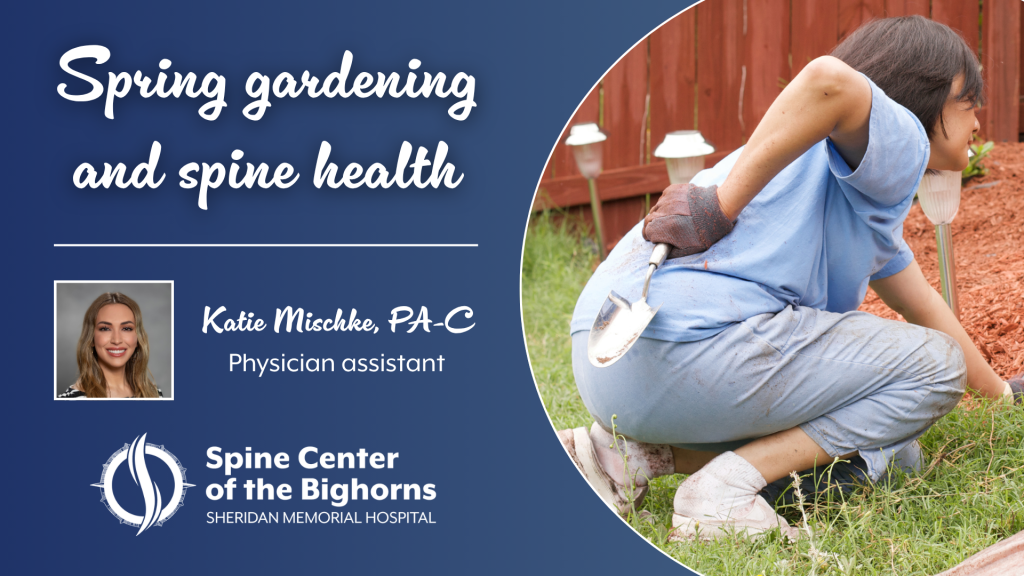
SHERIDAN – Dr. James Ulibarri alongside physician assistants Sean Schoonover and Katie Mischke will launch Spine Center of the Bighorns at Sheridan Memorial Hospital in July, offering advanced spine surgery options to individuals across the region.

“Our mission to provide excellent, patient-centered care close to home means providing access to advanced specialties,” said Mike McCafferty, hospital CEO. “We’re thrilled to add a team of well-respected providers with deep Wyoming roots to the Sheridan Memorial Hospital team as part of that mission.”

Dr. Ulibarri grew up on a ranch outside of Douglas and completed his undergraduate degree at the University of Wyoming before attending medical school at the University of Wisconsin. He completed his orthopedic surgery residency at the University of Wisconsin and a fellowship in spine surgery at the University of Pittsburgh. He returned to practice medicine in Wyoming in 2009, specializing in surgery of cervical, thoracic and lumbar spine, including degenerative disease, trauma and tumors.

Sean Schoonover, a certified physician assistant, grew up in Cody and attended the University of Wyoming, where he met his future wife, Toni, a registered nurse originally from Sheridan. He earned an associate degree in surgical technology before completing the physician assistant program at Northern Arizona University. After earning his master’s degree, he worked at Mayo Clinic’s Phoenix Campus Neurosurgical Department, with a focus on spine surgery. Schoonover and his wife returned to Wyoming after the birth of their first child, and the couple now lives in Sheridan with their three children.

Katie Mischke is a Sheridan native returning to her hometown after spending seven years working in neurosurgery at St. Vincent Healthcare in Billings. Mischke graduated from Carroll College in 2014 before attending the physician assistant program at Rocky Mountain College. She has worked in orthopedics and spine care for more than 10 years and said she enjoys helping individuals regain a higher level of functionality and more enjoyment in their day-to-day lives.

The Spine Center of the Bighorns at Sheridan Memorial Hospital will begin seeing patients July 14.

Transforming Mental Healthcare: Sheridan Memorial Hospital’s Growing for You Campaign

Sheridan Memorial Hospital is making remarkable strides in addressing Wyoming’s critical mental health needs through its Growing for You Campaign. As discussed in a recent episode of Public Pulse hosted by Floyd Whiting, Chief Development Officer Cody Sinclair and Foundation Director of Philanthropy Liz Dearcorn shared the progress of this transformative initiative. The campaign is funding a new Behavioral Health Unit, a vital step toward providing accessible, comprehensive mental health care in Sheridan County and beyond.

Wyoming’s mental health crisis

Wyoming faces a significant mental health crisis, with a 2022 statistic revealing that 32% of adults experiencing anxiety or depressive disorders did not receive needed counseling or therapy, compared to the national average of 28%. The state’s suicide rate, alarmingly 120% higher than the national average, underscores the urgency of this project. The Behavioral Health Unit aims to bridge these gaps by offering crisis stabilization, inpatient care and a robust network of community-based services.

Campaign goals and progress

The campaign, launched in 2023, has a total project goal of $18.9 million, with the Sheridan Memorial Hospital Foundation tasked with raising $8.12 million. Thanks to overwhelming community support, including contributions from local donors, businesses, the state legislature and partners like the Helmsley Charitable Trust, the campaign is just $700,000 short of its goal. A recent $45,000 matching gift from O’Dell Construction and Shawn & Lisa O’Dell has further energized fundraising efforts, encouraging community members to double their impact by donating.

Community collaboration and leadership

Cody Sinclair highlighted the collaborative spirit driving the project: “When you have a whole community come together, and with The Foundation, we have a committee that meets every couple months… it’s been a team effort for sure.” This teamwork extends beyond fundraising, with the hospital forging partnerships with local law enforcement, schools and mental health providers to create a seamless care network. Dr. Michael Kinney, the new psychiatrist at SMH, has already made a significant impact, serving over 300 patients in just six months and reducing Title 25 involuntary commitments.

Impact and vision of the Behavioral Health Unit

Liz Dearcorn emphasized the project’s immediate and future impact: “The community needs the right place, the right department, and the right team to take care of these people going through a mental health crisis. Seeing this all come together, phase by phase, has been absolutely incredible.” The Behavioral Health Unit, now in phase three of four, involves renovating hospital spaces to include six inpatient rooms, a crisis stabilization area and pediatric rooms, ensuring care for all ages.

Project efficiency and community engagement

The project’s rapid progress is a testament to the dedication of the hospital’s team, led by figures like Director of Behavioral Health Brittany Goodvin and Dr. Kinney. By repurposing existing hospital space, costs were reduced from an initial $32 million to a more manageable $18.9 million, making this vision feasible. Community engagement remains central, with tours available to showcase the ongoing renovations and foster continued support.

🎧 Listen to Cody Sinclair and Liz Dearcorn’s full interview on Public Pulse by clicking below.


Sheridan Memorial Hospital invites the community to get involved by donating or scheduling a tour to see the progress firsthand. Contact The Foundation at 307.673.2418 or visit sheridanhospital.org/foundation to contribute to this life-changing initiative. Every donation, no matter the size, is a step toward a stronger, healthier Sheridan County.

Call center team to support patient billing efforts

SHERIDAN – Sheridan Memorial Hospital has begun working with Revco Solutions, a trusted third-party vendor, in an initiative to enhance customer service for patients in our community.

Revco Solutions will act as an extension of the Sheridan Memorial Hospital business office, assisting patients in resolving their financial responsibilities to the healthcare organization. Revco Solutions has a history of working compassionately with patients to ensure a positive experience in line with the mission and values of Sheridan Memorial Hospital.

While utilizing a partner to assist with patients’ needs is common practice in hospitals across the country, the teams at Sheridan Memorial Hospital wanted to ensure the community was aware of Revco Solutions’ connection to the organization.

In a time when many scams target patients associated with healthcare systems, it is important to be vigilant. While Revco Solutions and Sheridan Memorial Hospital may request personal information for billing or payment purposes, this will never be done with a sense of urgency or utilizing threats. The Revco Solutions phone number is 307.533.9078.

If you are unsure if the caller is legitimate, decline to provide personal information and call the Sheridan Memorial Hospital patient account representatives at 307.672.1010.

Need help with a billing question?

Always feel free to reach out directly:

  • Call Sheridan Memorial Hospital Patient Accounts at 307.672.1010
  • You can also contact Revco Solutions directly at 307.533.9078

We’re here to help and ensure your experience is secure and respectful.

Early experience and mentorship at Sheridan Memorial Hospital fuels CNA Cutter Hulet’s journey toward a promising future in medicine.

Ask anyone who knows him, and they’ll tell you: Cutter Hulet doesn’t just show up—he gives it everything he has. He plays cello for both the Sheridan High School and Sheridan College orchestras, serves as student body president and competes on the high school’s SkillsUSA team—all while balancing an impressive list of other activities and accomplishments.

On top of his already packed schedule, Cutter is also a valued member of Sheridan Memorial Hospital’s healthcare team, gaining hands-on experience that’s given him a strong head start on his path to a career in medicine.

A strong start toward medicine

Cutter’s interest in medicine started early, but his journey officially began with a certified nursing assistant (CNA) course offered through Sheridan High School.

“I’ve known I wanted to be a doctor for a long time, and the CNA class was a great way to start this journey,” Cutter said. “It’s a great program—and it’s free. It’s an excellent pathway to gain exposure to a career in medicine.”

He joined Sheridan Memorial Hospital last summer as a part-time CNA at Sheridan Green House, the hospital’s long-term care facility. He later transitioned to the Medical/Surgical (Med/Surg) unit, where he continues to work and learn.

“It’s been great,” Cutter shared. “The nurses are awesome and easy to work with, and I enjoy the variety of patients I get to see. It’s interesting to see how the same illness can affect people so differently.”

Scrubbing in: A glimpse of what’s ahead

Cutter also completed a clinical observation with Big Horn Surgical’s Dr. Barry Mangus, an experience that deepened his interest in surgery and introduced him to what could be a future specialty.

“I don’t think many CNAs or students my age get that kind of experience,” Cutter said. “The fact that the hospital offers observations for students is really awesome. It’s a great way to get kids interested in medicine.”

One moment that stands out to him: his first time scrubbing in for surgery.

“I’ll never forget that,” Cutter recalled. “We’d been shadowing Dr. Mangus and standing in the back of the OR when he got clearance for us to scrub in on a case. It was a hernia surgery, so not the most invasive, but it was still awesome.”

Mentorship and meaningful impact

Through his time at Sheridan Memorial Hospital, Cutter has come to deeply appreciate the value of excellent, patient-centered care.

“I don’t think I would have gotten this kind of experience anywhere else,” he said. “Sheridan Memorial Hospital does a fantastic job of teaching its nurses how to mentor CNAs so we can provide the best care possible. The importance of patient-centered care is probably the most important thing I’ve learned here.”

Cutter credits his mentors for much of his growth, especially Med/Surg CNA Liberty Conde and Dr. Mangus.

“Liberty has been incredibly helpful. She’s a great CNA and has taught me so many different things,” he noted. “And Dr. Mangus has been fantastic in fostering my interest in medicine. He’s taught me a lot about surgery and what it means to not just be a doctor, but a good doctor.”

Bringing home skills—and medals

Cutter also believes his experience at Sheridan Memorial Hospital contributed to his recent success at the SkillsUSA Wyoming State Leadership and Skills Conference in April, where he placed second in both the Basic Healthcare Skills and Medical Terminology events. The Sheridan High School SkillsUSA team also placed second in the Health Knowledge Bowl.

“It definitely helped, especially in the Medical Terminology event,” he explained. “Because whether I’m working on the Med/Surg floor or in surgery, those terms come up all the time. So, going into the event, I had a sense of familiarity with a lot of medical terms and being able to use them in a sentence or know how they’re used when talking about a patient.”

That success has led to an exciting next step: this summer, Cutter will travel to Atlanta, Georgia, to compete at the SkillsUSA National Leadership and Skills Conference.

Looking ahead

Despite his many achievements, Cutter remains grounded and focused on the future. After graduating from Sheridan High School, he plans to enroll in the pre-med program at the University of Wyoming this fall—with hopes of studying abroad in Italy or Australia—before eventually returning to practice medicine in Sheridan.

“I really like the community we have here,” he said. “If I had the opportunity to come back and practice medicine, I think that would be really cool.”

To other young people considering a career in healthcare, Cutter offers this advice:

“If it’s something you really want and something you can set your mind to, go for it. Helping people, building relationships with patients and learning from real experiences—it’s super cool.”

Inspired to make a difference?

Join the dedicated team at Sheridan Memorial Hospital and be part of a mission that spans generations. To explore current opportunities, contact our Human Resources Recruiter, Darby Hamilton, at 307.672.1091 or email recruiting@sheridanhospital.org.

Discover what’s possible: sheridanhospital.org/about-us/careers

By Tracy Jons, MS, PA-C, MSCPphysician assistant and menopause society certified practitioner, who has worked with the Sheridan Memorial Hospital Women’s Clinic since 2007, specializing in obstetrics, gynecology and hormone therapy.

While perimenopause and menopause are natural processes unique to each individual, many women are not prepared to understand the abundance of information filtered to them on social media. It is important to ensure your information is based on evidence, not industry.

Eighty-five percent of women experience menopausal symptoms. For some this starts in their 40s, and some much earlier or later. As I walk patients through what happens during their reproductive years, and then into perimenopause and menopause, I see them light up – finally understanding their symptoms. Sometimes first symptoms are increased anxiety or irritability, not sleeping as well, joint pain, weight changes or changes in their menstrual cycle. Women notice hot flashes, night sweats and struggle to think clearly through the brain fog. They don’t feel like themselves – experiencing vaginal dryness, painful sex and their sexual desire goes down. Perimenopause represents a time when women’s reproductive hormones are no longer a smooth even rhythm, and instead become more volatile with narrowing higher highs and lower lows. It’s like another round of puberty!

Every story is unique, but there are steps you can take to ease these natural processes.

In 2002, a large study on hormone therapy, called the women’s health initiative, stopped due to concerns about stroke risk. This was shocking because researchers started the trial assuming they would prove hormone replacement therapy decreased the risk of cardiovascular disease. The study also reported an increase in breast cancer risk. This caused a wave of panic and suddenly everyone feared taking hormones. It has taken the last 20 years to look at the data and new research to understand what happened. We know a whole lot more now.

Menopause hormone therapy (what we used to call hormone replacement therapy or HRT) for most women is the safest and most effective option to help them feel more like themselves again. A wide variety of options allow for the healthiest formulation for each woman whether it be estrogen, progesterone and/or testosterone.

For example, if we time initiation within 10 years of the last menstrual period and use a transdermal approach, there is not an increased risk for cardiovascular disease or stroke. We also know that for women who took estrogen only, there was no increased risk of breast cancer, but for women who took estrogen and progestin the risk increased slightly.  Now, we have options to reduce this breast cancer risk. These discussions provide reassurance and allow women to feel more in control.

For some women however, hormone therapy is still off the table. Women with a history of cardiac disease, blood clot, stroke or breast cancer still have several new treatments available to relieve their symptoms. These are exciting times in this area of medical research.

When you meet with your healthcare provider to talk about symptoms, ensure that provider is committed to staying up to date on the best way to care for you during a time that feels so strange.  Discuss lifestyle measures, eating well, exercise, keeping your heart and bones strong, preventing cancer and your menopausal experience. You should be in control of your medical care and your body.

If you’re noticing changes in your body that leave you feeling unsure or overwhelmed, you’re not alone. The experienced team at Sheridan Memorial Hospital’s Women’s Clinic is here to listen, support, and help you find real answers. Your health matters—and so does your story. If you would like to make an appointment call or text 307.672.2522.

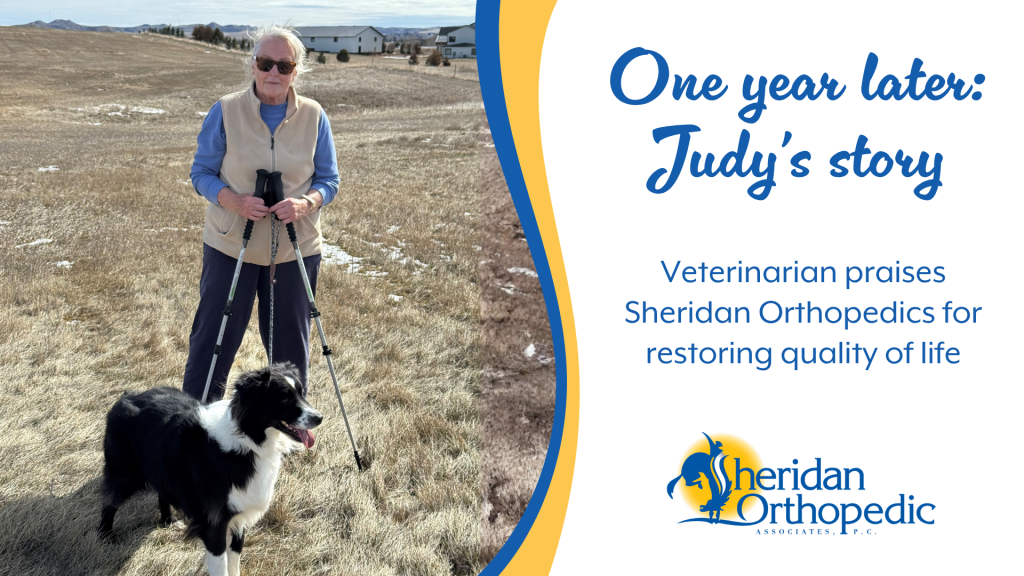
After years of chronic ankle pain, Judy Merriott, DVM, reached a point where everyday tasks—and even walking—became unbearable. Working as an equine veterinarian felt impossible, and the activities she once loved were now out of reach. Determined to get back in the saddle, both literally and figuratively, Judy turned to Sheridan Orthopedics, where she found the care and support she needed to reclaim her mobility and joy.

Judy has called Sheridan home for the past year, returning to Wyoming after spending 12 years practicing veterinary medicine in Australia. Her ankle pain began about five years ago, following an injury she sustained while working abroad.

“I was doing chiropractic work on a horse and standing on a stepladder,” Judy recalled. “I was up above this mare’s neck, and the person holding her wasn’t paying much attention. The mare jumped sideways, knocked me off the ladder and stepped on my ankle.”

Although initial X-rays showed no broken bones, the damage worsened over time. The pain gradually began to affect every part of her life.

“I was a solo practitioner, so I didn’t get much time off,” she explained. “I soldiered on, but every year it got a little worse. Eventually, I was walking with my foot turned out like a duck because that was the only position that felt comfortable. When I moved to Sheridan, I knew that if I still wanted to work as an equine vet, I needed my mobility back. I have to be able to get out of the way quickly if my patient—the horse—isn’t happy with me.”

Judy’s pain didn’t just affect her work. It also kept her from enjoying her favorite pastimes.

“I like to hike, and I love to ride horses,” she shared. “I tried to ride last summer, but I ended up getting of the horse in tears because my ankle hurt so much.”

Eager for a solution, Judy researched providers in Sheridan, Billings and Denver. She eventually met with Dr. Daniel Peterson, DPM, FACFAS, at Sheridan Orthopedics, who introduced the possibility of a total ankle replacement.

After speaking with others in the community and hearing consistent praise for Dr. Peterson’s expertise and kindness, combined with the convenience of receiving care close to home, Judy felt confident moving forward with the procedure.

From her first visit to her final follow-up, Judy felt heard, respected and supported throughout the process.

“The front desk staff were very friendly and efficient,” Judy said. “And the scheduler was great, even when I had to postpone my surgery twice. Any time I had a concern, I could call the office, and Dr. Peterson would personally call me back.”

Her experience stood in stark contrast to a previous major surgery.

“I had both knees replaced in 2008 in Colorado. The surgeon was well-known, but I felt like I was just a blip on their screen,” she said. “Dr. Peterson never made me feel that way. I felt very well taken care of.”

In December 2024, Sheridan Orthopedics became part of the Sheridan Memorial Hospital team, enhancing the hospital’s ability to deliver expert, coordinated orthopedic care close to home. This integration ensures patients like Judy receive a smooth, supportive experience—from initial consultation through surgery and recovery—guided by a team that puts people first.

Judy’s surgery went smoothly, and she spent one night at Sheridan Memorial Hospital—a stay that left a lasting impression.

“The nurses were wonderful,” she reflected. “When you’re a patient, someone else has to help you do everything—and they were kind, respectful and never made me feel awkward.”

Now, several weeks into her recovery, Judy has made remarkable progress—enough to impress even Dr. Peterson.

“At my two-week check-up, my incisions had already healed really well,” she said. “By four weeks, Dr. Peterson looked at my X-rays and range of motion and said, ‘I’m really surprised. I’ve never seen an ankle heal this quickly.’”

Judy chuckled. “And I said to him, “I told you I was a good healer!”

She continues physical therapy and is eager to walk again without a boot or crutch, but she’s also learning to listen to her body.

“I have a tendency to push through things,” Judy admitted. “A few days ago, I felt strong enough to go for a walk with my neighbor, but on the way back, it started to hurt. I’m learning to listen to my ankle and know when it’s had enough. I’m trying to do everything I can to make it heal quickly, but at the same time, I don’t want to overextend myself.”

When asked what advice she would give others considering ankle replacement, Judy answered, “Number one, go to Dr. Peterson. Number two, trust your doctor. Make a list of your questions and concerns, and just go have a conversation.”

In just a few more weeks, Judy hopes to be hiking the Bighorns with her Border Collie and, eventually, riding horses again.

“I’ll be thrilled the first time I get back on a horse,” she said with a smile. “I’ll be thrilled, because that was my life for many, many years.”

If bone, joint or muscle pain is keeping you from the things you love, you don’t have to go through it alone. Visit sheridanortho.org to learn how Sheridan Orthopedics can help you get back in the saddle and back to doing what you love.